Field guide
Door Lock Stiff? Why Your Key Won't Turn in Ringwood Locks
Is your door lock stiff in Ringwood or key not turning? Discover common causes, from timber movement to wear, and when to seek professional lock repair from Local Locksmith Ringwood Service.
Door Lock Stiff? Why Your Key Won't Turn in Ringwood Locks
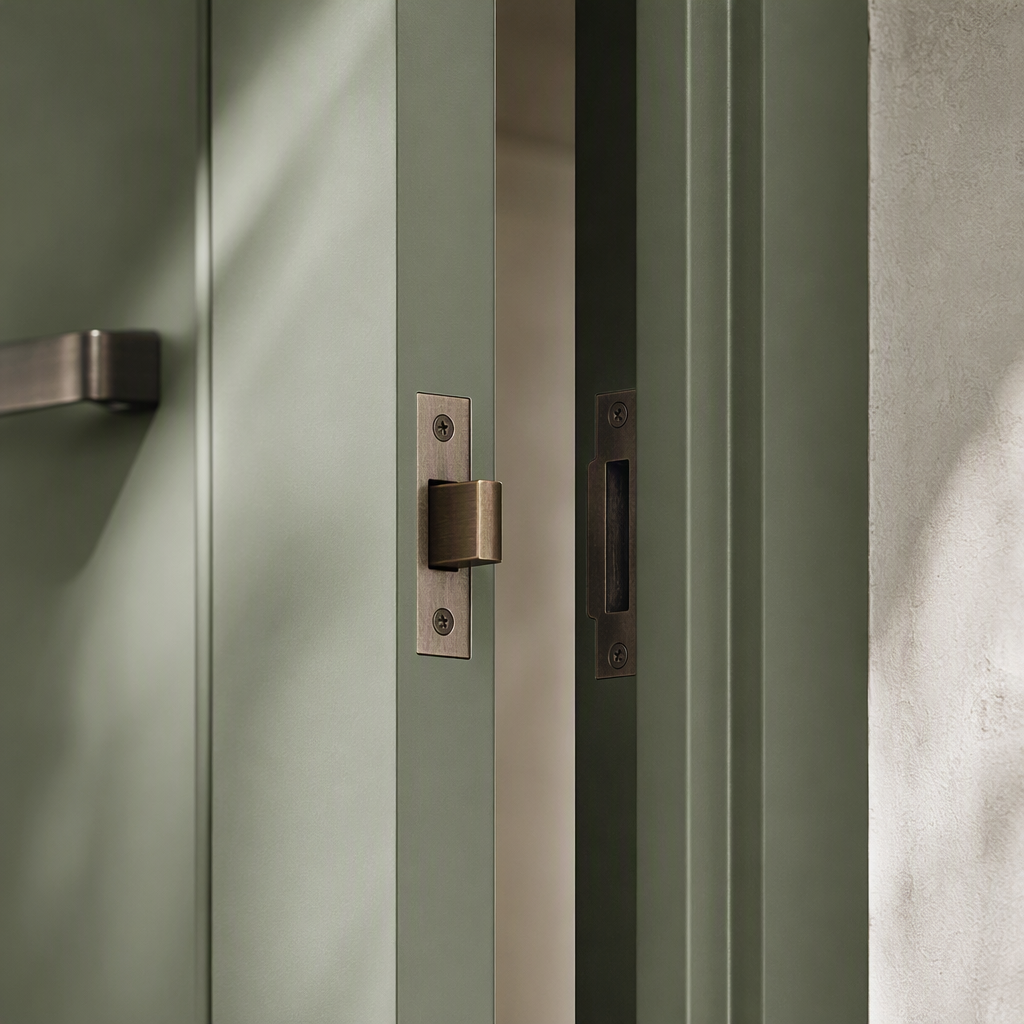
Few things are as frustrating as a door lock stiff key won't turn when you're trying to enter or secure your home or business in Ringwood. Whether it’s your front door, a side gate, or an office entry, a stubborn lock can quickly become a major inconvenience and a security concern. You might find yourself jiggling the key, applying force, or even considering drastic measures just to get the lock to operate. This common issue affects many properties across Ringwood and its surrounding eastern Melbourne suburbs.
The problem of a stiff lock Ringwood often leads people to immediately think their lock is broken and needs replacement. However, a key not turning smoothly is frequently a symptom of a broader issue, not just a faulty lock mechanism. The underlying cause could range from environmental factors to the condition of your door and frame. Understanding these potential culprits is the first step toward finding an effective and lasting solution.
At Local Locksmith Ringwood Service, we believe that security starts at the entry, and that often means looking beyond the lock itself. Our approach is rooted in diagnostic honesty, aiming to identify the true source of the problem before suggesting any repair or replacement. This article will guide you through common reasons why your key might not be turning, help you understand basic troubleshooting, and explain when it's time to call a professional locksmith to ensure your property remains secure and functional.
1. Diagnosing a Stiff Door Lock: Beyond the Obvious
When your key won't turn in the lock, it's natural to assume the lock itself is at fault. However, the mechanism of a door lock is intricately connected to the door, frame, hinges, and strike plate. A problem in any of these surrounding components can manifest as a stiff lock Ringwood, making your key difficult or impossible to operate. A thorough assessment of the entire door assembly is crucial for accurate diagnosis.
1.1 The Initial Assessment: What to Look For
Before attempting any fixes, take a moment to observe the door and its surroundings. Is the door sagging or rattling in its frame? Does it appear misaligned? Check for visible damage to the door or frame itself, especially around the lock area. Sometimes, a slight shift in the door's position can prevent the lock's bolt from aligning correctly with the strike plate in the door frame. This is a common issue that homeowners and property managers in Ringwood encounter.
1.2 Seasonal Changes and Timber Movement in Melbourne
Ringwood, like much of Melbourne, experiences distinct seasons that can significantly impact building materials. Timber doors and frames, prevalent in many of Ringwood’s mixed housing stock—from post-war brick homes to newer townhouses—are particularly susceptible to changes in temperature and humidity. During humid summers, timber can swell, causing doors to bind in their frames. Conversely, dry winters can cause timber to contract. These natural expansions and contractions can lead to subtle yet critical misalignments that make a key not turning Ringwood a regular occurrence.
The fault is often in the door or frame, not the lock. This diagnostic honesty guides our service. By understanding how environmental factors and the condition of your door contribute to lock issues, you can make more informed decisions about seeking assistance.
2. Common Reasons for a Key Not Turning in Ringwood Homes
A stiff lock Ringwood can stem from several underlying problems, many of which are not directly related to the internal workings of the lock cylinder. Recognizing these common causes can help you pinpoint the issue and determine the best course of action for your property, whether it's a family home or a retail tenancy near Eastland Shopping Centre.
2.1 Misalignment of Door or Frame
As mentioned, door and frame misalignment is a leading cause of a difficult-to-turn key. This can happen due to various factors:
- Foundation Settlement: Over time, building foundations can settle, causing door frames to shift out of square.
- Worn Hinges: Loose or worn-out hinges can allow a door to sag, preventing the latch or deadbolt from engaging properly with the strike plate. This is particularly common in older Ringwood homes.
- Poor Installation: A door or frame that was not installed perfectly level and plumb from the start can develop alignment issues over time.
When the bolt cannot smoothly enter the strike plate opening, you'll feel resistance, and your key won't turn fully. The solution here often involves adjusting the hinges, modifying the strike plate, or even re-hanging the door.
2.2 Worn or Damaged Lock Components
While not always the primary cause, internal lock components can indeed wear out or become damaged. This is more likely in high-traffic doors or older locks.
- Internal Wear and Tear: Over years of use, the internal springs, pins, or tumblers within the lock cylinder can wear down, preventing them from moving freely.
- Damaged Key: A bent, worn, or incorrectly cut key can also struggle to operate a lock. Even a slight imperfection can cause the key to snag on the internal pins, leading to a
key not turning Ringwoodsituation. It’s worth trying a spare key if you have one to rule this out. - Foreign Objects: Dust, dirt, debris, or even fragments of a broken key can obstruct the internal mechanism of the lock, making it stiff or unresponsive.
2.3 Debris or Obstructions
Locks located on external doors, shared gates for townhouses, or properties exposed to the elements (like those near Maroondah Highway) are prone to accumulating dust, grime, or even spiderwebs. These seemingly minor obstructions can build up inside the keyway or the lock mechanism, causing friction and resistance when you try to insert or turn your key. A simple blast of compressed air can sometimes clear minor blockages, but for deeper issues, professional attention might be needed.
Understanding these common culprits helps in deciding whether a quick DIY fix is appropriate or if calling an expert for lock repair Ringwood is the more reliable path.
3. DIY Troubleshooting for Minor Stiff Lock Issues
Before calling a professional, there are a few simple steps you can take to address a door lock stiff key won't turn issue, especially if the problem seems minor. These tips are for basic troubleshooting and should be attempted only if you feel comfortable and if the issue doesn't involve forcing the lock.
3.1 Lubrication: The First Step
Often, a dry or dusty lock mechanism can be the cause of a stiff key. The correct lubricant can help.
- Use Graphite Powder: For lock cylinders, the best option is typically a dry lubricant like graphite powder. Insert a small amount into the keyway and on the key itself, then insert and remove the key several times to distribute the graphite. Graphite won't attract dirt and gum up the mechanism like some wet lubricants.
- Avoid WD-40 in Lock Cylinders: While WD-40 is great for many tasks, it’s generally not recommended for lock cylinders. Its oily nature can attract dust and debris, leading to a stickier problem down the line. It can also dissolve existing lubricants, making the problem worse over time.
3.2 Checking and Tightening Hardware
Loose screws can cause door hardware to shift, leading to misalignment.
- Tighten Visible Screws: Inspect the screws holding the lock hardware in place on both sides of the door. Use a screwdriver to gently tighten any that appear loose. Do the same for the hinge screws and the screws holding the strike plate to the door frame. Be careful not to overtighten, which can strip the screws or damage the wood.
- Inspect Strike Plate: The strike plate on the door frame might be loose or misaligned. If the bolt isn't entering the hole smoothly, try to slightly adjust the plate if it's movable, or check if the screws are firmly seated.
3.3 Key Condition Check
Sometimes the problem isn't the lock at all, but the key.
- Try a Spare Key: If you have a spare, try using it. If the spare key works smoothly, your primary key might be worn, bent, or damaged. A worn key can have its teeth rounded or chipped, making it less effective at engaging the lock's tumblers.
- Clean the Key: A key covered in grime or residue can also cause friction. Wipe your key clean with a cloth before reinserting it.
These DIY steps can resolve minor issues, but for persistent or complex stiff lock Ringwood problems, professional diagnosis is essential.
4. When Your Door Lock Isn't the Problem: A Deeper Dive
At Local Locksmith Ringwood Service, our core position is "Security starts at the entry." This means we understand that a problem often misidentified as a faulty lock can actually originate from the door, frame, hinge, or strike plate. This diagnostic honesty is particularly relevant for the diverse housing stock in Ringwood, from post-war brick homes with original timber doors to modern apartments with different construction types.
The reality is that doors are subject to various forces that can lead to misalignment over time. One of the most significant factors in Melbourne, and specifically in the Ringwood area, is seasonal timber movement. The city's climate, with its warm, often humid summers and cooler, drier winters, causes timber doors and frames to expand and contract. This natural movement, though subtle, can throw the entire door assembly out of alignment, making your key not turning Ringwood a frustrating consequence.
For instance, a door that binds slightly during summer due to humidity swelling the timber might perfectly align in winter. This binding can place undue stress on the lock mechanism, making it stiff or causing the bolt to drag. Similarly, a slight shift in a door frame, perhaps due to general house movement or even heavy use, can mean the deadbolt no longer perfectly aligns with the strike plate. When you try to turn the key, the bolt catches on the edge of the strike plate, giving the impression that the lock itself is the issue.
We frequently see cases where a brand new lock is installed, only for the problem to persist because the true culprit – the door's alignment – was never addressed. This not only wastes time and money but leaves the underlying problem unresolved. Our comprehensive assessment takes this into account, ensuring we diagnose the actual fault. For a detailed guide on identifying these issues, explore our article on When Your Door Lock Isn't the Problem: Ringwood Diagnostic Guide.
5. Professional Lock Repair vs. Replacement: Making the Right Choice in Ringwood
Once the underlying cause of your stiff lock Ringwood has been identified, the next step is to decide whether lock repair Ringwood or a complete lock replacement is the most appropriate solution. This decision often depends on several factors, including the age and condition of the existing lock, the extent of the damage, and your overall security needs.
5.1 Factors Influencing the Decision
- Age and Condition of the Lock: If your lock is old, heavily worn, or has been exposed to extreme weather, repair might only offer a temporary fix. Modern locks often provide superior security features that older models lack.
- Extent of Damage: For minor issues like a misaligned strike plate or loose screws, a repair or adjustment is usually sufficient. However, if internal components are severely damaged or the lock housing is compromised, replacement is typically the safer and more durable option.
- Security Needs: If you're concerned about enhancing the security of your Ringwood property, a
stiff lock Ringwoodmight be an opportunity for a security upgrade. This could involve replacing older, less secure locks with contemporary, more robust options that meet current security standards. - Cost-Effectiveness: Sometimes, the cost of repairing an old, complex lock can approach the cost of installing a new, more reliable one. An honest assessment from a professional locksmith will help you weigh these costs effectively.
5.2 Our Approach: Diagnostic Honesty
At Local Locksmith Ringwood Service, we don't jump to recommending a new lock if a repair or adjustment will genuinely resolve the problem. Our diagnostic honesty means we will assess the lock, door, and frame thoroughly. We explain our findings clearly, detailing why a particular solution is recommended. We understand that residents and businesses in Ringwood want reliable security solutions without unnecessary expenses.
For some homeowners, lock replacement Ringwood might be necessary, especially if their existing locks are showing significant wear or are outdated. For others, a precise adjustment to the door or frame, or a simple lock repair Ringwood, might be all that's needed to restore smooth operation. To delve deeper into this choice, read our guide on Lock Repair vs. Replacement in Ringwood: Making the Right Choice.
6. When to Seek Expert Locksmith Help in Ringwood
While some minor door lock stiff key won't turn issues can be addressed with simple DIY troubleshooting, there are many situations where professional locksmith intervention is essential. Attempting to force a stubborn lock or misdiagnosing a complex issue can lead to further damage, compromise your security, or even result in being locked out.
6.1 When DIY Fails or Issues Persist
If you've tried basic lubrication, tightened screws, and checked your key, but your stiff lock Ringwood persists, it's a clear sign that the problem is more complex. Persistent stiffness or intermittent issues often point to deeper mechanical wear, internal damage, or significant alignment problems that require specialized tools and expertise to resolve correctly. It's better to consult an expert than to risk damaging the lock further or getting the key stuck or broken.
6.2 Complex Problems and Security Concerns
Issues such as extensive door or frame misalignment, severely damaged internal lock components, or a broken key inside the lock (a common issue that leads to a key not turning Ringwood) are best handled by professionals. Attempting to repair these yourself can exacerbate the problem, making it more costly to fix later. Furthermore, if you're experiencing a stiff lock Ringwood on a primary entry door, compromised security is a serious concern. A professional locksmith can not only fix the immediate problem but also assess your overall door security.
6.3 Urgent Situations
If a stiff lock has finally stopped turning altogether, or a lock failure has left an entry unable to be secured, you need a straight answer rather than guesswork. No response times or availability windows are published on this website, because an honest answer depends on the day, the location and the work involved. Call and describe what the lock is doing, and you will be told directly what is possible for your situation.
For any stiff lock Ringwood problems that extend beyond simple fixes, contacting a local expert is the most reliable path. Local Locksmith Ringwood Service is a locally operated business at 51-57 Maroondah Hwy, Ringwood VIC, ready to assist with a range of lock repair Ringwood services. Our focus on diagnostic honesty ensures you receive the right solution for your specific situation. We can help with all Residential Locksmith Ringwood: Securing Your Home in Melbourne's East needs.
Frequently Asked Questions About Stiff Door Locks
Facing a stiff lock Ringwood can bring up many questions. Here are some common inquiries we address for our Ringwood customers. For more honest answers, refer to our Locksmith Ringwood FAQ: Honest Answers to Your Lock Concerns.
Q1: Can I use cooking oil or automotive lubricants in my door lock?
A: No, it's strongly advised against using cooking oils or automotive lubricants (like WD-40) inside door lock cylinders. These products are often petroleum-based, and while they might provide temporary relief, they will attract dust and grime over time, leading to a gummy residue that can severely clog the lock mechanism and make the problem worse. Always use a dry lubricant like graphite powder specifically designed for locks.
Q2: How often should I lubricate my door locks?
A: For most residential locks in Ringwood, lubricating them once a year is usually sufficient to maintain smooth operation. Locks on high-traffic doors or those exposed to harsh elements (like external gates) might benefit from more frequent lubrication, perhaps every six months.
Q3: What should I do if my key breaks inside the stiff lock?
A: If your key breaks inside a stiff lock Ringwood, do not attempt to remove it with makeshift tools. This can push the broken fragment deeper into the mechanism or damage the lock further, making professional extraction more difficult and potentially leading to a full lock replacement. Contact a professional locksmith immediately for safe and effective broken key extraction.
Q4: My door lock is stiff, but it works sometimes. What does this mean?
A: Intermittent stiffness often indicates an early stage of wear, minor misalignment, or occasional obstruction. It's a warning sign that the problem is developing and likely to worsen. Addressing it early can often prevent a complete lock failure or the need for a more extensive lock repair Ringwood or replacement.
Conclusion
A door lock stiff key won't turn is more than just an annoyance; it's a signal that your property's security and functionality might be compromised. While the immediate thought is often a faulty lock, the true issue frequently lies with the broader door assembly—the frame, hinges, or even the effects of Melbourne's seasonal timber movement on your Ringwood property. Our diagnostic approach at Local Locksmith Ringwood Service focuses on identifying the actual cause, ensuring a reliable and honest solution.
Whether you're dealing with a minor hitch that a bit of graphite can fix, or a complex alignment issue requiring expert intervention, understanding the problem is key. Don't let a stiff lock Ringwood compromise your peace of mind or the security of your home or business.
When you need professional lock repair Ringwood or a comprehensive assessment of your door's security, Local Locksmith Ringwood Service is here to help. We are a locally operated locksmith based at 51-57 Maroondah Hwy, Ringwood VIC 3134, currently serving customers throughout Ringwood and the surrounding eastern Melbourne suburbs. For reliable service and honest advice, please call us directly at (03) 6155 4310 or visit our website to learn more about Your Local Locksmith in Ringwood: Reliable Service for Homes & Businesses. Let us help you ensure your security starts at the entry, every time.
Next Steps
Local Locksmith Ringwood Service is a locally operated locksmith business based at 51-57 Maroondah Hwy, Ringwood VIC 3134, currently serving customers across Ringwood and nearby eastern Melbourne suburbs. Describing the door, the lock and what has changed is the fastest route to a useful answer.
- Phone: (03) 6155 4310
- Send details: Contact page
- Browse the work: Services · Service areas · Locksmith Ringwood
- Common questions: FAQs
Opening hours are Monday to Sunday, 8 am – 9 pm. Local Locksmith Ringwood Service is based at 51-57 Maroondah Hwy, Ringwood VIC 3134. Call (03) 6155 4310 to describe your situation before attending.